Why infrared finds roof leaks the eye can't
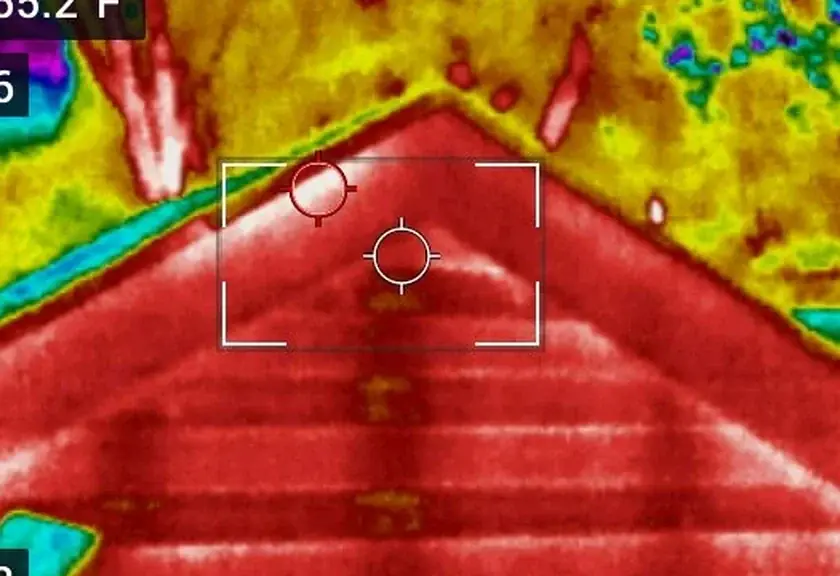
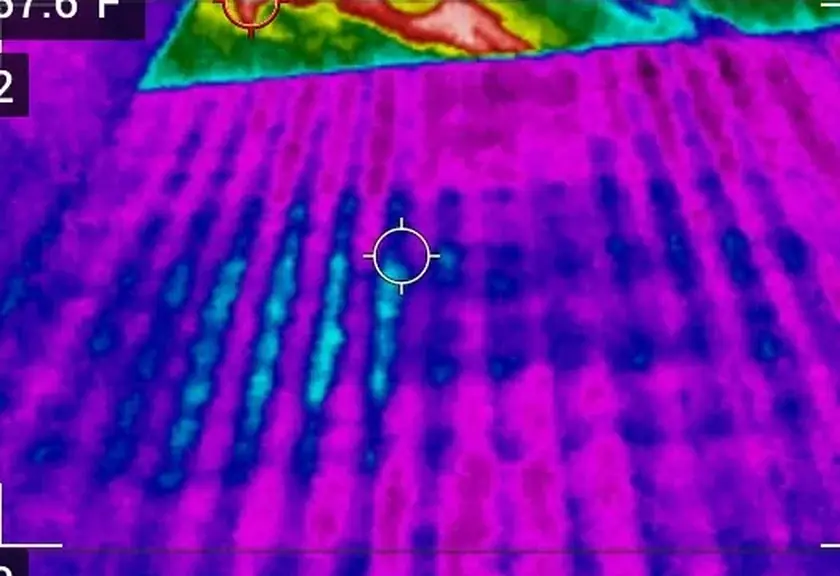
On a flat or low-slope roof, water rarely shows up where it got in. It soaks into the insulation and spreads, and by the time there's a stain on the ceiling a much larger area under the membrane is wet. Wet insulation stores more of the day's heat than dry insulation. After sunset it stays warm while the dry roof cools, so a radiometric thermal camera can outline the wet areas across the whole roof in a single night.
Knowing exactly what's wet lets an owner repair or replace only that, document problems before a warranty expires, plan capital budgets with real numbers, and meet the New York code rule against recovering over wet insulation. For roofers, it's the difference between bidding a tear-off blind and bidding the wet area. Find the wet before you bid the roof.
Start to finish: how a survey works
Survey night
After a sunny day, we survey the entire roof with a radiometric thermal camera, beginning about an hour after sunset. Every suspect wet area is outlined in paint on the roof, numbered and photographed. On large roofs an aerial thermal screen can speed this up.
Findings map
You get a roof plan with every area numbered and its size in square feet, so your roofer knows exactly where to look.
Core samples by your roofer
Your roofing contractor, or one of our partner roofers, takes small 2-inch cores at the marked areas and at a dry reference spot in each section, and patches them the same day. We record what each core shows.
Final report
Prepared following the Infraspection Institute Standard for Infrared Inspection of Insulated Roofs, with every wet area confirmed by core, paired thermal and visual images, and a free 15-minute walk-through call.
Repair
Your roofer replaces only the wet sections.
Verification scan
We come back under the same night-time conditions and re-scan the repaired areas. A short before-and-after report closes out the job and gives you a dated record for warranty, insurance or a future sale.
Core samples and repairs are performed and billed by your roofing contractor. We never cut or repair your roof, which keeps your roofer in charge of the work and your warranty intact.
Conditions we schedule for
- A sunny day before the survey so the roof absorbs heat
- A dry roof surface: no rain, ponding, dew or snow
- Light wind
- Starting about an hour after sunset while the roof cools
If conditions aren't right, we reschedule at no charge. A survey done in the wrong conditions isn't worth your money. In Rochester the best windows are October–November and April–May.
What we need from you, and what you receive
From you: roof access after dark and the roof drawings if you have them; someone familiar with the building on the roof with us; your roofing contractor to take the cores and make the repair (we can recommend one).
You receive: the findings map with each area numbered and measured; paint marks on the roof so your roofer cores the right spot; the final report with paired images and core results; a walk-through call with you and your roofer; and the post-repair verification scan and report.
Who orders roof moisture surveys
- Property managers and owners of offices, schools, churches, retail, warehouses and multifamily buildings with flat roofs
- Roofing contractors who want to bid the wet area instead of guessing (ask about the roofer partner program)
- Facilities teams planning capital budgets or documenting before a warranty expires
- General contractors and primes on public projects: NYS-Certified SDVOB #269133 (details)
Pricing
Pricing depends on roof area, the number of sections and access, so each survey is quoted per building. Call or text (585) 645-2969 or request a quote; most quotes go out the same day.
Thermal work is led and reported by Doug Lancie, an Infraspection Institute Level I Certified Thermographer (sUAS), Cert. No. 20483-D, and FAA Part 107 remote pilot.
Common questions
How much does an infrared roof moisture survey cost?
Why is the survey done at night?
Do you cut into the roof?
What roofs can be surveyed?
Why a second scan after the repair?
Can you survey a pitched shingle roof?
Related services
Thermal imaging & infrared
Infrared thermography of roofs and buildings by a Level I Certified Thermographer.
Explore →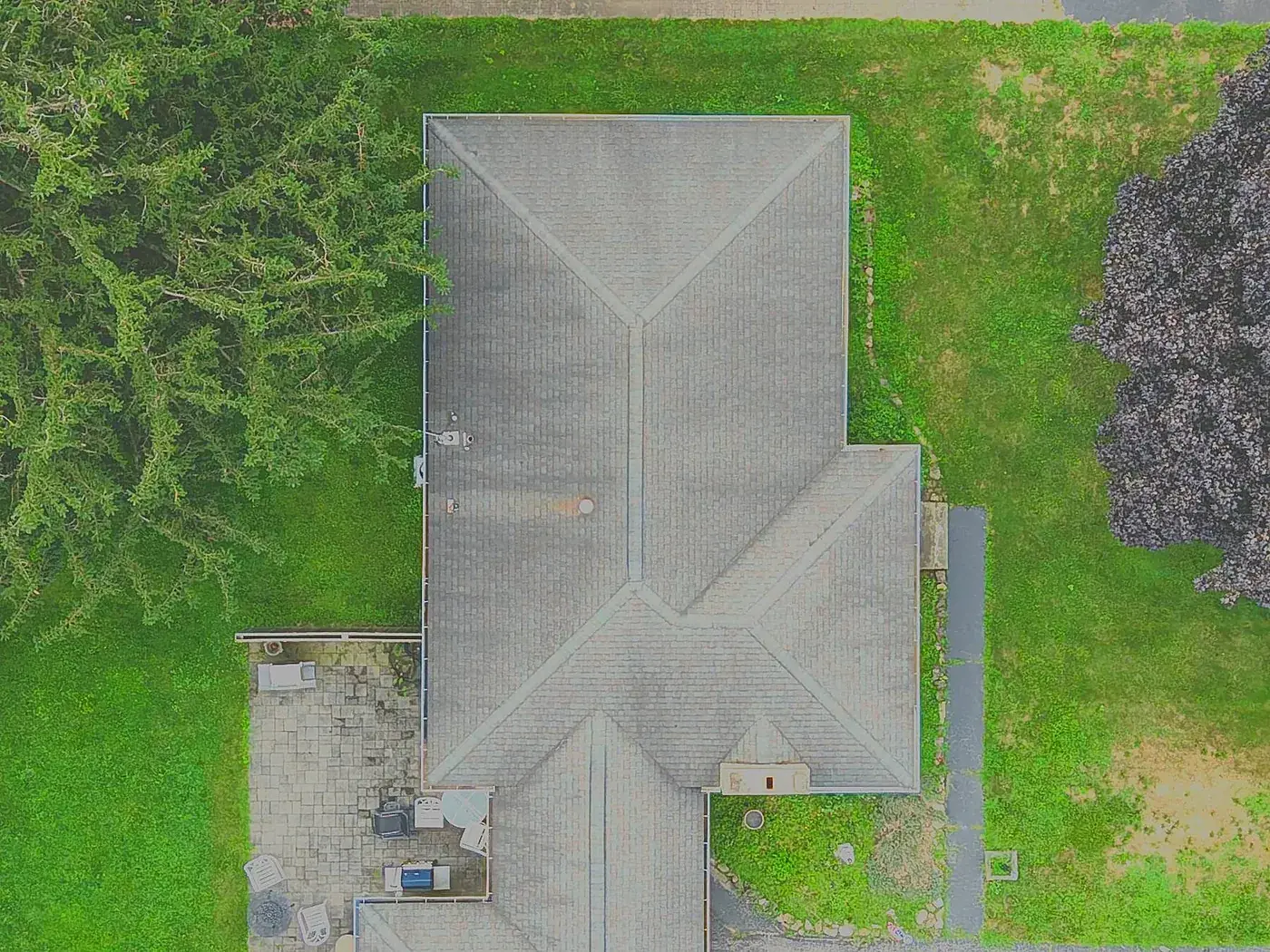
Drone roof inspection reports
Every slope and ridge photographed from above and annotated in a PDF. No ladder. $95.
Explore →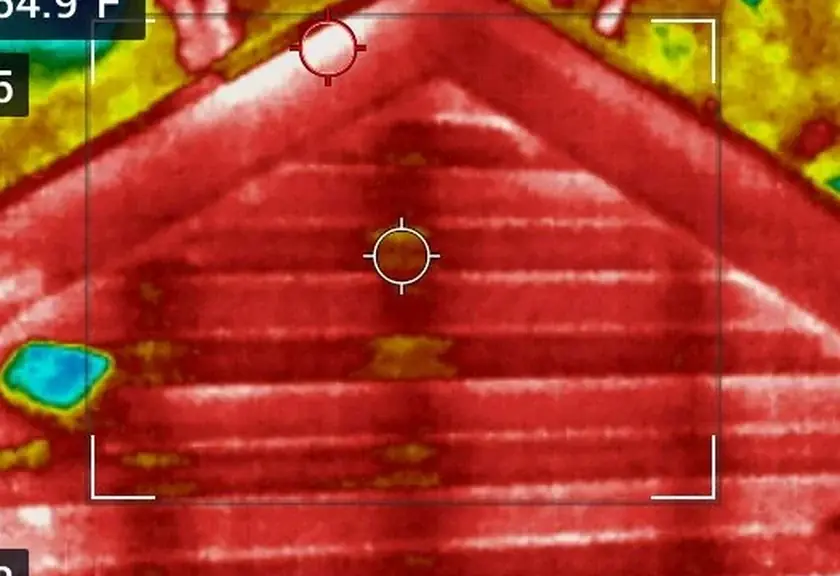
Building envelope survey
A complete infrared survey of walls, windows, doors, ceilings and floors, documented for insurance, warranty and public work.
Explore →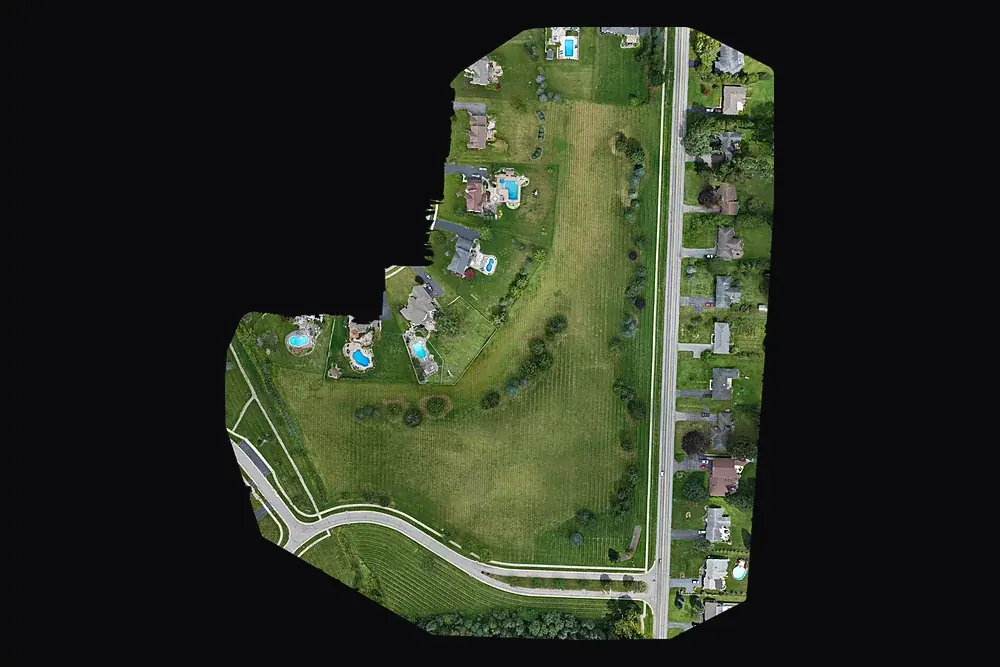
For primes and agencies (SDVOB)
NYS-Certified SDVOB drone documentation, mapping and thermography. Capability statement.
Explore →Where we fly
Based in Irondequoit and serving Rochester and Monroe, Wayne, Ontario, Livingston, Orleans and Genesee Counties, including Irondequoit, Webster, Penfield, Fairport, Pittsford, Brighton, Henrietta, Greece, Gates, Chili, Hilton, Spencerport, Victor, Canandaigua, Brockport, Honeoye Falls, Sodus, Williamson, Geneseo, Batavia and Albion. Travel beyond 25 miles of Rochester is $0.75 per mile. FAA airspace authorization near Greater Rochester International is filed by us at no charge.